A Shift Short Enough to Say Yes To: The Club Micro-Volunteer Menu
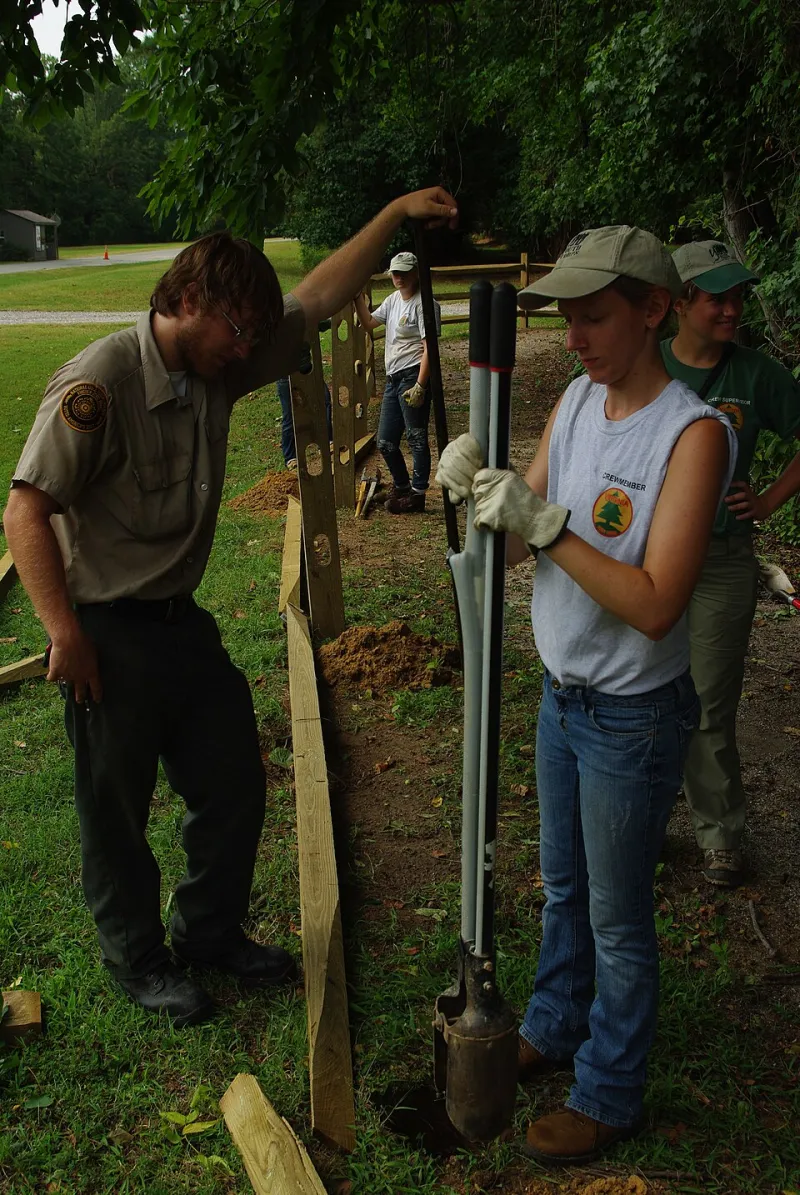
Photo: Virginia State Parks staff, CC BY 2.0, via Wikimedia Commons
Most volunteering appeals ask for a season. Can you help with the team? Can you join the committee? Can you run the fundraisers? The ask is huge, vague and frightening, so people who would happily put up a net for twenty minutes decide to keep their head down instead.
A micro-shift flips that. It is a small, specific job with a start and finish, done by someone who knows exactly what they are doing and who to ask if it goes wrong. It is not a trick to get free labour. It is a realistic way to let busy people contribute without signing their life away.
What counts as a micro-shift?
A good micro-shift usually takes between ten and forty-five minutes. It has one clear job. It needs no specialist qualification, or the training is given on the spot. And it has a named lead who will be there, so the volunteer is not left hovering by the shed wondering which bag contains the net pegs.
That is the whole test. If a task fails it, it is probably a regular role, not a micro-shift.
The menu
Here is a starter menu ESCSA clubs can adapt. Put it on one page, with times, and let people choose.
- Net and barrier set-up: twenty minutes before training, two people, all kit left out by the shed.
- Car park marshal: thirty minutes at drop-off, high-vis provided, one job only.
- Tea hatch helper: forty-five minutes, serving and taking money, no baking required.
- Warm-up leader: fifteen minutes, using a session plan the coach has already written.
- Scoreboard or clock operator: one half each, so nobody misses the whole match.
- Litter sweep: fifteen minutes after the final whistle, grabbers and bags in the container.
- Kit wash: at home, one load, returned to the kit bag by Wednesday.
- First-aid bag check: twenty minutes a month, restock plasters and check the ice packs.
- New-family buddy: the first twenty minutes of a session, showing people where to go.
- Photo and social post: ten minutes, three good pictures, one short caption.
- Lift-share coordinator: fifteen minutes on a Thursday, matching names and seats.
- Pitch-side sign erector: twenty minutes before a home fixture, sponsor boards only.
Some of these can be shared. Some can be done by two people who want to chat. The point is that each one has an end point. A volunteer can see the finish line before they start.
Advertise the task, not the guilt
Vague appeals get vague responses. Specific ones get names. Instead of can anyone help on Saturday, write: Saturday 9.10 to 9.30, two people to put up the under-11 nets, meet at the green container, tea afterwards. That tells people the time, the job, the place and the reward.
Use the channels people already read. A sign-up sheet on the noticeboard. A QR code by the tea hatch. A pinned message in the club group chat. A short line in the weekly email. Keep the menu visible and keep it short. If the list looks like a second job, people will scroll past.
It also helps to say what the job is not. No experience needed. You will not be left on your own. You can bring a friend. You can do it once and never again. Those lines remove the fear that a small yes will turn into a permanent post.
Make the yes easy
Have the kit out. Name the meeting point. Put a lead volunteer on the rota. Send a reminder the night before. If someone says they can help but not until 9.20, let them start at 9.20. A half-shift done is better than a full shift cancelled.
Do not make people hunt for the shed key. Do not make them guess which pitch. Do not thank them by immediately asking for a bigger job. The first experience should be small, useful and finished on time.
Recognise the contribution without making it weird
Thank people at the time. A genuine thanks at the gate is worth more than a certificate in June. Ask before you post their photo on social media. Give the volunteer a free cuppa or a bacon roll if the club can afford it. At the end of the season, mention micro-volunteers in the newsletter alongside the coaches and the committee.
If you track hours for funding bids, keep it simple and do not turn it into a league table. The person who does twenty minutes a month is not in competition with the person who runs the whole section. Both are keeping the club open.
Turn one-offs into regulars
Most regular volunteers started with one small job. The trick is to ask again, specifically, and soon. If someone enjoyed setting up nets, ask them if they fancy the same job next month. Pair a new helper with an existing one. Invite them to the next social. Give them a small next step, not a committee seat.
Ask what they enjoyed and what was awkward. If the kit was heavy, get a trolley. If the time clashed with work, move the shift. Micro-volunteering only works if the club listens to the micro-volunteer.
The rota that is not a burden
One person can coordinate this in about fifteen minutes a week with a spreadsheet and a template. List the jobs, the times, the leads and the gaps. Share it with the committee. Repeat the menu every half-term. Do not chase everyone individually. Make the ask visible and let people step forward.
The result is not a club run by a tiny exhausted group. It is a club where lots of people do a little, and where saying yes does not cost them their Saturday. That is a better kind of strength, and it is one ESCSA clubs can build one short shift at a time.