The Kit Between Us: Building a School–Club Equipment Library That Lasts
Every ESCSA member seems to have the same conversation at some point. The school has a cupboard full of bibs nobody can find. The club has two pop-up goals and a shortage of balls. A neighbouring team has a set of cones that has not seen daylight since the summer tournament. Meanwhile, a new under-9s side is trying to get going with a whistle and a lot of enthusiasm.
A shared equipment library is the obvious answer. Not a dusty cupboard with a handwritten note saying 'do not touch', but a proper little borrowing scheme between local schools and community clubs. Done well, it saves money, reduces duplicate buying and gives everyone a practical reason to talk to each other. Done badly, it becomes a shed full of unmatched socks and unresolved emails. The difference is usually preparation, not funding.
Start with a pilot, not a Portakabin
It is tempting to begin by hiring a shipping container and buying shelving. Resist that for a moment. Start with a six-week pilot between one school and two clubs. Gather 20 balls, two sets of bibs, a dozen cones and a couple of pop-up goals. Appoint one kit librarian and one deputy. Write down what is in the pool, where it lives and who can borrow it. Then see what actually gets used.
A pilot tells you far more than a business plan. You learn whether the school site manager can open the store at 5pm, whether Saturday teams remember to return things before Monday, and whether the under-12s really need those extra training balls. It also gives everyone a low-stakes way to build trust before anyone signs a longer agreement.
Storage that respects the kit and the site
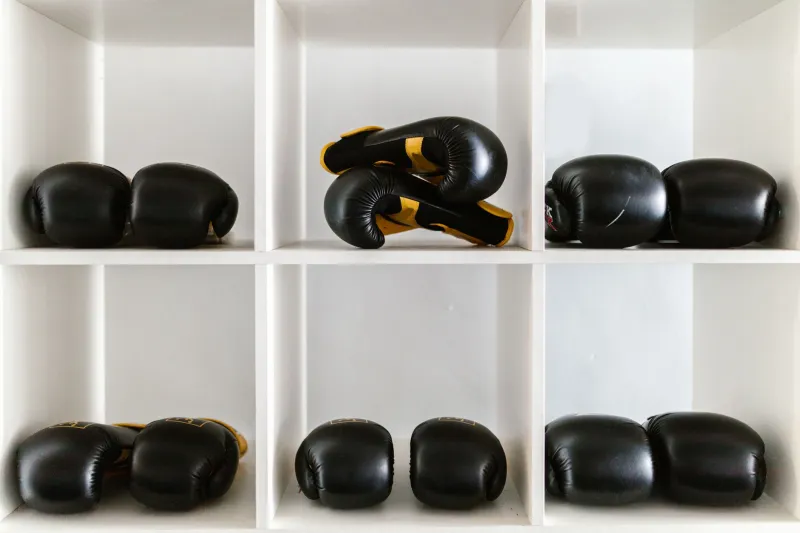
Wherever the kit lives, it needs to be lockable, dry and ventilated. A school PE store, a club container, a secure cage at the leisure centre or a corner of a village hall can all work. What matters is that equipment is off the floor, labelled and easy to count. Use shelving or stacked crates with clear zones: balls here, bibs there, goal anchors in a labelled box, damaged items in a 'quarantine' crate.
Moisture is the quiet enemy. Balls left in a damp container go soft, metal fittings rust and fabric smells like a gym bag from 2011. Add a moisture absorber, check for leaks after heavy rain and keep a simple pest check on the monthly list. Access should be controlled but not ridiculous. A key safe or fob system is usually better than six people holding six different keys. And keep the site manager on side from day one — a quick thank-you at the start of term goes a long way.
A borrowing system people can actually use
If the booking process needs a training course, people will not use it. Keep it to a shared calendar, a simple borrowing form and a named contact. The form should record who is borrowing, what they are taking, the condition at pickup, the due date and the condition at return. A basic spreadsheet with tabs for inventory, loans and maintenance is plenty. A QR code on the shed door linking to the form is a nice touch.
Set a few clear rules. Standard loans run for two weeks, with renewal if nothing else is booked. Kit comes back clean and dry. Damage gets reported, not hidden. No permanent 'loans' that quietly become ownership. Photograph the kit at pickup and return if you want a simple record. And keep a small reserve of balls and bibs that never leaves the site, so the library does not accidentally strip a school of its core PE kit.
Maintenance checks with a cup of tea
A 20-minute monthly check is enough for most equipment pools. Inflate balls, check stitching, inspect goal anchors and net fixings, wash and dry bibs, sort cones and flag anything cracked or bent. Put it in a maintenance log with the date and initials. Anything unsafe gets tagged and removed from the borrowing list straight away.
Do a deeper check before each season. Goals need particular attention, especially anchoring and stability, and should always follow current safety guidance. Pop-up goals are useful but must be stored and used properly. If you are unsure about an item, ask the school's PE lead or the club's qualified coach rather than guessing. A small replacement fund — even £2 per borrowing club per month — keeps the pool from slowly becoming a museum of nearly-working kit.
Insurance and paperwork without the fear
Before the first ball is borrowed, talk to your insurers. Ask how the shared kit is covered while it is in storage and while it is out on loan. Check whether the school's policy covers community use of its equipment, and whether the club's public liability cover extends to borrowed items. Do not assume one policy quietly covers everything. A short written agreement between the school and the clubs should set out ownership, responsibility for loss or damage, return expectations and who checks the kit.
Individual borrowers can sign a simple one-page loan form. It does not need to be legalistic, but it should be clear. Keep copies with the inventory and review the arrangement each year. If an item is high value or specialist, decide in advance whether it is loanable at all. The aim is confidence, not bureaucracy.
Volunteers: the kit librarian and the pit crew
One enthusiastic volunteer can run a small library, but they should not be the only person who knows how it works. Write a short role description for the kit librarian and a deputy, then build a termly rota for checks and returns. The site manager or caretaker is a key partner, not an afterthought. A club volunteer can handle weekend loans, and a school PE lead can flag what is needed for lessons.
Keep communication separate from the general club chatter. A small operations group or shared calendar works better than a 200-message thread. Celebrate the boring wins: every ball returned, every bib washed, every goal anchor checked. At half-term, run a kit amnesty and thank everyone who borrowed. Recognition is cheaper than replacing equipment and far more effective.
Make sharing the norm
The best equipment libraries do more than save money. They give schools and clubs a practical reason to work together. A school can borrow match-quality balls for a festival. A club can borrow extra bibs for a girls' taster session. A new team can get started without a funding application and a six-month wait. Over time, the library becomes part of the local sporting routine — and a quiet answer to the question of how we keep everyone playing.
Start small. Label everything. Write down the rules. Ask your insurer. Thank your volunteers. Then let the kit do what it was bought for: get muddy, get used and come back ready for next week.