A Quieter Roar: Matchday Tweaks That Make Room for Every Family
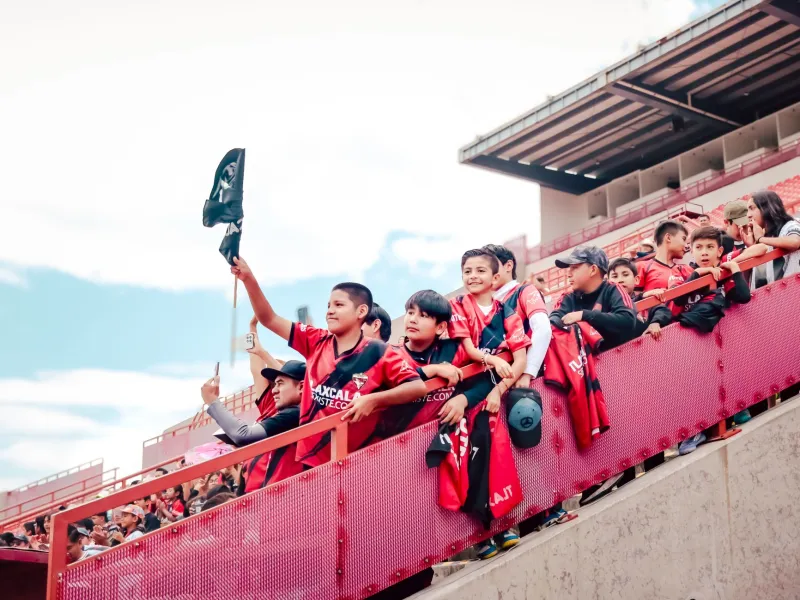
Matchday is supposed to be the best bit of the week: muddy boots, bacon rolls, a bit of touchline chatter and a game that finishes with everyone clapping. But for some children and parents, the same morning can feel like a wall of noise, crowds and unpredictability. Neurodivergent families — including those with autism, ADHD, sensory processing differences and anxiety — often love sport just as much as anyone else. They just need the club to think about the environment as carefully as it thinks about the warm-up.
The good news is that most of the changes that help are small, cheap and useful to everybody. You do not need a specialist consultant or a whole new committee role. You need a bit of planning, a few clear messages and volunteers who are willing to ask: what would make today easier?
Start with the welcome, not the label
A named welcome contact is one of the simplest wins going. Give families an email address and a mobile number before their first visit, and tell them who will be at the gate. That person does not need to be a coach or a safeguarding lead. They just need to be expecting the family, know a little about what might help and be comfortable saying hello.
Ask a straightforward question in the sign-up form: is there anything that would make matchday easier for your child or family? Keep it open. Do not demand a diagnosis. Some parents will write three paragraphs; others will say nothing. Both are fine. The offer of a conversation is often as reassuring as the answer.
Build a calm corner that does not feel like a punishment
Every club has a corner of the ground that is a bit quieter — behind the clubhouse, beside the car park, away from the speakers and the main crowd. Put a couple of folding chairs there, a blanket, some ear defenders and a small box of fidget toys. Add a simple sign: Calm corner. Everyone welcome.
That last bit matters. A quiet zone should not be branded as the place for children who cannot cope. It is the place for anyone who needs five minutes: a parent with a headache, a grandparent who wants to sit down, a player who needs to reset before the second half. When it is available to all, nobody is singled out for using it.
Tell people what is coming next
Unpredictability is often harder than noise. A visual timetable can help: arrive, warm-up, match, half-time, full-time, snack. You do not need professional design. A simple document with photos of your own pitch, gate, toilets and clubhouse is enough. Laminate a few copies and keep them in the welcome bag, and send a digital version to families before their first game.
A short social story works well too. It can be six lines long: here is the car park, here is the gate, here is where we meet, here is the pitch, here is where the toilets are, here is what happens at the end. Add a photo of the welcome contact so there is a familiar face before the family arrives. Send it 48 hours before the match, not five minutes before kick-off.
Turn the volume down where you can
You cannot control every cheer, bark and whistle, but you can control some of the matchday soundscape. Keep the PA at a sensible level. Ask coaches not to blow whistles right beside the touchline. Encourage cheering without clappers, air horns or drum kits unless the home club has agreed to them. These changes do not make the game any less exciting; they just make it easier to be in the crowd.
Ear defenders are another practical tool. Keep a few pairs in the club kit bag, available to borrow from the welcome desk. Do not make a fuss about who takes them. A child who needs them should be able to ask without a lecture, and a child who simply finds the crowd a bit much should be able to do the same.
Make the little details predictable
Consistency is a comfort. Use the same meeting point each week. Put up clear signs for the pitch, toilets and cafe. Tell families where to park and what to do if they arrive late. If a fixture changes, say so early and say it in the same place every time — the club website, the group chat and a note at the gate.
One club volunteer told us: 'We started sending a two-line message on Friday with the meeting time, the pitch number and the colour of the shirts. It sounds daft, but it stopped three families worrying all weekend.' That is the level of detail that makes a difference.
Ask, then act
Parents are the experts on their own children. A quick conversation after the first visit can tell you more than any form. Did the noise feel manageable? Was the meeting point easy to find? Would a different warm-up routine help? Write it down, make one change and try again next week.
Do not wait for a complaint. A parent who has stopped coming may never tell you why. A short, friendly check-in after three matches is a better early warning system than a survey at the end of the season.
Keep it everyone’s business
Sensory-friendly matchdays should not depend on one kind volunteer who happens to know the right things. Put a line in the volunteer briefing. Add a calm-corner check to the matchday checklist. Mention the welcome contact in the fixture email. Make it part of how the club runs, not a special project that disappears when the season gets busy.
None of this needs a big budget. A pop-up tent, a laminated timetable, a few pairs of ear defenders and a named person at the gate will cost less than a set of match balls. What it says to families is worth far more: we thought about you before you arrived. And that is a roar every club can be proud of.