The Quiet Revolution: Why Walking Sport Belongs on Your Club Timetable
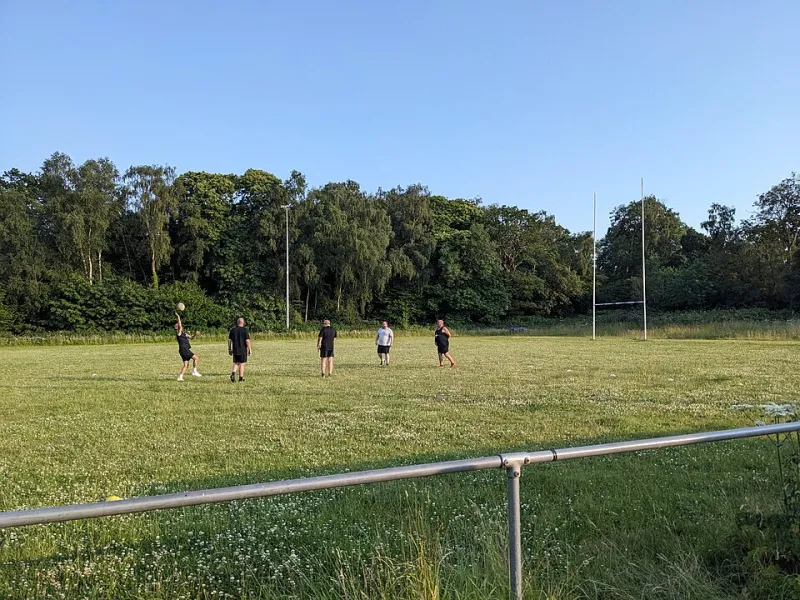
Photo: Back ache, CC BY-SA 3.0, via Wikimedia Commons
Walking football has a reputation problem. Mention it in a clubhouse and someone will make a joke about Zimmer frames, or ask whether the players are allowed to break into a jog when the referee is not looking. But in 2026, walking sport is less a gentle sideshow and more a serious answer to a serious question: how do we get more people moving, more often, in a way that fits real life?
Across the UK, walking football and walking netball sessions are filling sports halls on weekday mornings, community centres on rainy afternoons and 3G pitches on Sunday evenings. They are attracting former players who thought their knees had retired, parents who never fancied the pace of the full game, and older residents who want company as much as competition. For schools and community clubs, they are also a neat bridge between generations — and a way to use facilities when the traditional fixture list is quiet.
What walking sport actually looks like
Walking football follows the familiar shape of the game, but running is not allowed. Players must have at least one foot on the ground at all times, the ball usually stays below head height, and physical contact is limited. Local rules vary, so agree your version before kick-off and stick to it. Walking netball works on the same principle: no running, no jumping, and a focus on passing, positioning and gentle movement. It is not a watered-down version of sport for people who cannot cope. It is a different game with its own skills, tactics and pleasures.
The best sessions feel social from the first minute. Players arrive early, chat while they warm up, and stay for tea afterwards. That is not a side effect — it is part of the point.
A starter session that works
You do not need a complicated coaching plan. A 60-to-75-minute session is plenty, especially at first.
- Arrival and welcome: 10 minutes. Names, a quick chat, check any health needs.
- Warm-up: 10 minutes. Walking, mobility, gentle passing in pairs.
- Skills: 15 minutes. Turning, receiving, shooting or netball footwork, kept light.
- Small-sided game: 25 minutes. Walking football at 5v5 or 6v6; walking netball at 5v5 or 7v7.
- Cool-down and social time: 10 minutes. Stretching, reminders, tea and biscuits.
Rotate positions so nobody is stuck in goal. Pair new players with regulars. Let the game stop for questions. And do not over-coach — the first aim is confidence, not tactical perfection.
Kit, costs and common-sense equipment
A sports hall or a floodlit 3G is ideal, but a community centre or school playground can work for taster sessions. You will need balls, bibs, cones, portable goals or netball posts, a first aid kit and a defibrillator nearby. Players can wear ordinary trainers and comfortable clothing; no special kit is required. Check the surface and agree footwear guidance before the first session.
Costs are usually modest: venue hire, a qualified coach or session leader, insurance and refreshments. Some clubs run walking sport as a paid session; others fold it into membership. Either way, be clear about fees and make sure the session does not rely on one volunteer doing everything.
Coach training and confidence
You do not need to be a walking sport specialist to start, but training helps. The FA offers walking football courses and guidance, while England Netball runs walking netball workshops and resources. Add safeguarding, first aid and inclusive coaching to the mix. A coach who understands older adults and beginners will get more from the group than one who treats it like a veterans' league.
Use experienced players as buddies. Give them a simple role: welcome newcomers, explain the rules, and make sure nobody is left standing alone. That kind of peer support is worth more than a laminated session plan.
Bring schools into the picture
This is where walking sport gets really interesting for ESCSA members. A Year 5 or Year 6 class can visit a walking football or netball session for an intergenerational morning. Pupils can join in, ask questions, interview players for a school project or help with refreshments. Older club members get an audience and a sense of purpose; children get to see that sport does not stop at 18.
Plan it properly. Agree the activity with the school PE lead, complete a risk assessment, check ratios and safeguarding arrangements, and make sure the venue has accessible toilets and a quiet space. Consent forms and photography permissions should be clear. Keep the sporting part simple: passing drills, walking relays, a mini tournament, then tea and stories. The chat is often the best bit.
Measure the right things
Do not judge a walking sport session by the standard of the passing. Judge it by who comes back, who brings a friend, and who feels better on a Thursday than they did on a Wednesday. Keep a simple register, ask for feedback, and celebrate small milestones. In 2026, the clubs that thrive will be the ones that make room for every kind of player. Walking sport is not a niche add-on. It is a quiet revolution — and your club can be part of it.