Floodlights, Rotas and Good Neighbours: Making Winter Fixtures Work in 2026

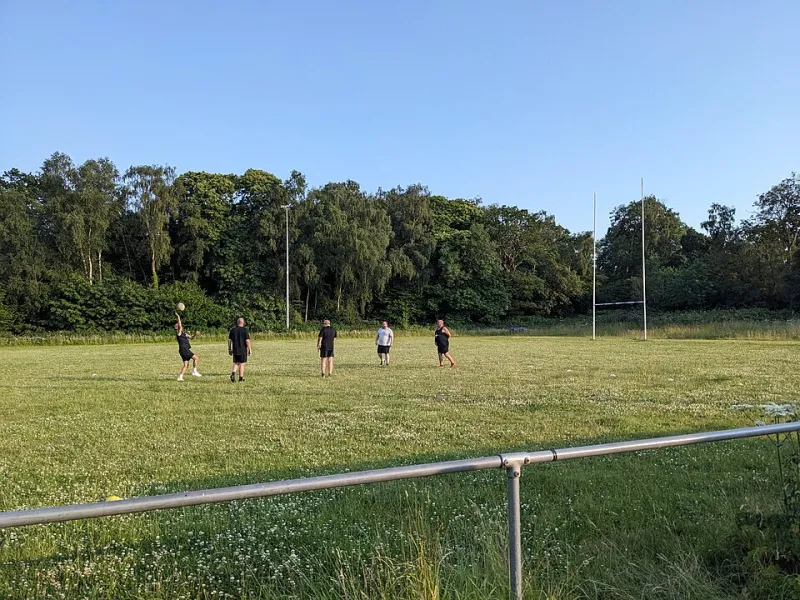
Photo: floodlit 3G football pitch winter UK community club, via i.pinimg.com
By early November, the easy part of the season is behind us. The pitches that were firm in September are now taking on a familiar squelch, the floodlights come on before the end of the school day, and every club secretary in the country seems to be chasing the same 6pm slot at the local 3G. It is not a crisis — it is just winter. And winter, as any fixture secretary will tell you, is a scheduling problem with mud on top.
For schools and community clubs, the answer is rarely a brand-new facility. More often it is a smarter share of the ones we already have. That means honest conversations, clear rotas and a bit of give and take. Here is a practical playbook for keeping fixtures alive through the 2026/27 winter without burning out volunteers or testing the patience of site managers.
Start with a shared map, not a wish list
Before anyone books anything, get the venue lead, the school business manager and two or three club reps around a table — real or virtual. Ask each group three questions: what do we need, what can we offer, and what can we live without? A school might have a floodlit 3G that sits empty after 7pm. A club might have a sports hall booking it cannot fill on a Friday. A council leisure trust might have a midweek slot that only works for younger age groups. Put it all on one spreadsheet and the gaps start to show.
Keep it simple: venue, day, time, surface, capacity, cost, access contact. Do not forget changing rooms, parking and the walk from the gate to the pitch. A great slot is no good if the only entrance is locked after 6pm.
The winter scheduling checklist
- Nominate one booking lead per venue. Too many cooks create double bookings.
- Block-book for the full winter window, not week by week. Agree a start and end date.
- Build in a 15-minute changeover buffer between school use and club use.
- Agree a wet-weather decision time — for example, 3pm on match day — and who makes the call.
- Name a backup venue for each age group, even if it is just a sports hall for training.
- Confirm who holds keys, access codes and alarm details, and how changes are shared.
- Check insurance and risk assessments cover shared use and any new surface.
- Agree how costs are split: hire, floodlights, caretaking, match officials, refreshments.
- Keep a shared cancellation log so patterns are visible, not personal.
- Review the rota in January, not in March when everyone is exhausted.
Templates that keep everyone polite
Most winter disputes are not about sport. They are about communication. A short, consistent message does more than a long explanation. Feel free to adapt these for your member clubs.
Booking confirmation email: Thanks for confirming the 6pm–7pm slot at [venue] on [date]. Access is via the side gate; the code will be sent the day before. Please leave the pitch and changing rooms as you find them, and report any damage to [name] on [number]. If you need to cancel, let us know by 3pm so we can offer the slot to another group.
Change-of-plan message: Quick update for [date]: the 3G is unavailable due to [reason]. We have moved training to [backup venue] at the same time. Please confirm your team can make it by [time]. If not, reply and we will try to swap.
End-of-block review: We are reviewing the winter rota on [date]. Please send any issues, ideas or slot changes by [date]. We want to keep the same fair split for January and February.
Safeguarding on a shared site
Sharing a site means sharing responsibility for children and vulnerable adults. Make sure every club has a named safeguarding lead, and that the venue has a clear contact for urgent issues. DBS checks and club safeguarding policies should be current and visible to the venue. Agree changing-room arrangements in advance — especially where school pupils and club players may overlap. Supervise arrival and departure, keep a register, and make sure coaches know who is collecting each child.
Photography and video need consent, even in a shared space. If a school is using the hall next door, do not assume a club photographer is fine. First aid kits, defibrillator locations and incident reporting should be part of the site induction. And if something goes wrong, report it through both the club and venue channels — not just a WhatsApp message to the caretaker.
Keep the season moving
A winter pitch share will never be perfect. There will be a frozen Tuesday, a double-booked Saturday and a parent who cannot find the new entrance. But a clear rota, a named contact and a willingness to swap one week for another will get more fixtures played than any grand plan. In 2026, with budgets tight and facilities stretched, good neighbours are a sporting resource. Treat the shared pitch like a shared clubhouse: leave it tidy, say thank you, and bring biscuits to the January review.