The New Face at the Gate: A 90-Day Welcome That Makes Volunteers Stay

Every school and community club has a mental list of the same nine people. They set up the hall, run the warm-up, count the subs, lock the kit cupboard and send the reminder text. They are brilliant. They are also tired. The answer is not a plea for more volunteers on a poster in the corridor. It is a better welcome for the ones who have already put their hand up.
A new volunteer does not arrive as a role. They arrive as a person with a Saturday morning to spare and a vague sense that they would like to help. What happens next decides whether they become a fixture or a footnote. The first 90 days are not a probation period. They are the best chance the club has to turn goodwill into a habit.
Night one: give them a person, not a policy pack
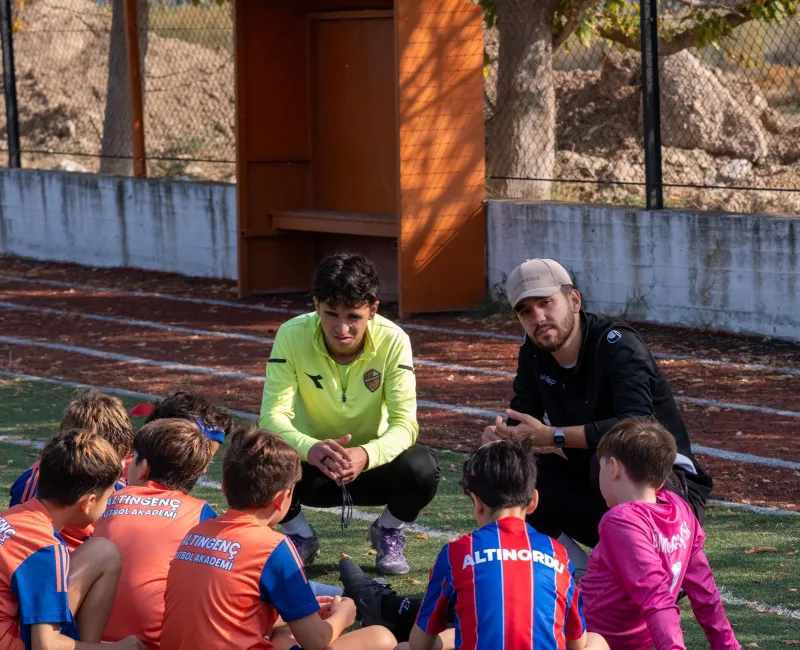
The first session should end with a name and a next step, not a folder. Pair every new helper with a buddy who is not the club secretary and not the head coach. The buddy meets them at the door, makes the tea, shows them where the toilets are, and explains the one job they are doing that evening. That is it. Nobody expects a new helper to have read the safeguarding policy cover to cover before their first whistle. They do expect to know who to ask when a child says they have lost their shin pads.
Keep the first task small and finishable. Ask them to help set out cones for the under-12s, welcome families at the sign-in table for 20 minutes, or walk the pitch edge with a bin bag. A job with a start and an end gives a new volunteer a win. Standing in a cold corridor wondering what to do gives them a reason not to come back.
The buddy should also do the quiet work. Introduce them to two other people by name. Send a text the next day: good to meet you, same time next week? That text takes 30 seconds and does more for retention than a laminated welcome pack.
A role menu, not a rota sentence
Help with the club is not a job description. It is a fog. New volunteers drift because they cannot see where they fit. Build a simple role menu with small, clear jobs and honest time commitments. Matchday meet-and-greet, 30 minutes. Warm-up leader for one age group, 15 minutes. Kit bag manager on Saturdays, one hour. Refreshments rota, once a month. Social media photos, one match a month. Fundraising helper, two events a season.
Include the behind-the-scenes jobs too. Some people would rather update the fixture list than stand on a touchline in November. Some would rather run the tea urn than coach. Both keep the club open. A role menu says that every job matters and no job is forever. It also gives the club a way to ask without sounding desperate.
Let the volunteer choose. Then write it down. A shared note or a line in the handover file is enough: name, role, buddy, start date, check-in date. This is not bureaucracy for its own sake. It is how a club stops relying on memory and starts building a repeatable welcome.
Day 30: the check-in that is not a nag
Thirty days in, most new volunteers have either settled or started to wobble. Book a ten-minute chat, in person or by phone. Ask three questions. What has been good? What has been boring or confusing? What would make next month easier? Do not ask them to commit to the rest of the season. Ask them to commit to the next four weeks.
Fix the small things quickly. If the kit bag is chaotic, label the shelves. If the sign-in sheet is confusing, rewrite it. If they are standing alone at the gate, add a second name to the rota. A new volunteer who sees a small problem solved is far more likely to raise a bigger one later. The check-in is also the moment to say thank you out loud, not just in a group chat.
Day 90: say thank you properly
At the 90-day mark, make a small fuss. A mention in the club newsletter, a thank-you from the coach at the end of a session, a box of tea bags with their name on it. Keep it proportionate. The point is recognition, not a ceremony. Then ask the honest question: would you like to keep doing this role, try something different, or step back for a while?
All three answers are good. A volunteer who steps back cleanly is more likely to return than one who disappears with guilt. A volunteer who tries a new role is a volunteer who stays interested. A volunteer who keeps going is a volunteer who now knows where the spare keys are. Update the handover file, thank the buddy too, and start the cycle again with the next new face.
When life gets in the way
School and club life is not linear. Exams, shifts, injuries and family stuff happen. Build the welcome so that a pause is not a resignation. Keep new volunteers on the mailing list. Offer seasonal roles. Let them come back without a reapplication form. The club that makes leaving easy is often the club that makes returning easy too.
The first 90 days are not a project with a launch date. They are a habit. One buddy, one small job, one check-in, one proper thank-you. Run that loop for every new helper and the club stops depending on the same tired few. It starts growing the next lot instead.