Two Grounds, One Coach: Building a School–Club Role That Lasts the Season
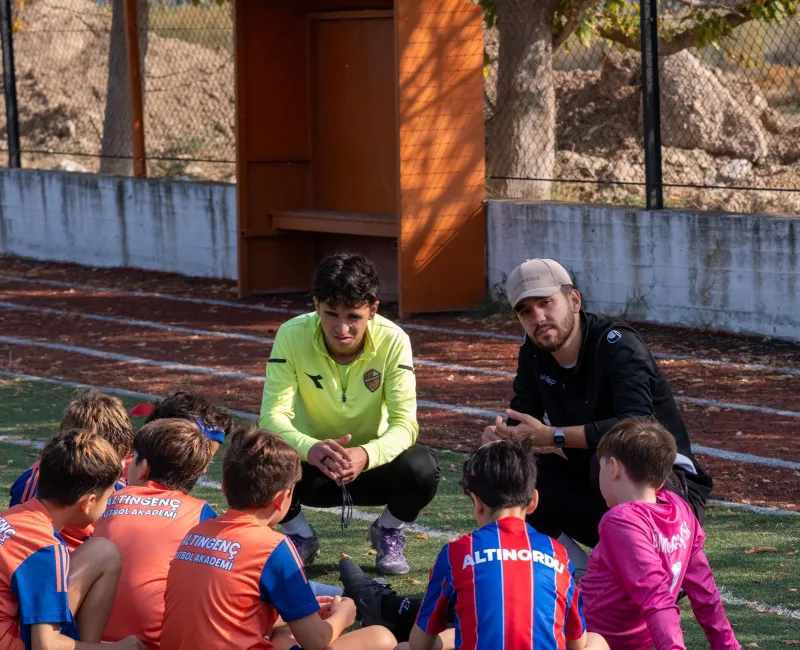
A good coach can be the bridge between a school playground and a Saturday morning club pitch. They know the players, the parents and the pathway. But when one person is asked to be in two places at once — or to answer to two sets of priorities — even the most enthusiastic coach can end up running on empty.
Sharing a specialist coach between a school and a community club is not a new idea, but it is one worth getting right. In 2026, with schools and clubs looking for sensible ways to share expertise and keep young people active, a well-run shared role can strengthen both settings. The trick is to treat it as a proper partnership, not a favour that quietly grows into a burden.
Start with the week, not the wishlist
Before anyone signs anything, sit down with the coach, a school representative and a club representative and map out an ordinary week. Not the best-case week — the real one. Include travel, setup, pack-down, planning and the odd queue on the school run.
A coach who delivers two lunchtime sessions, an after-school club and two evening club sessions may look manageable on paper. In practice, that is a lot of whistles, a lot of names and very little breathing space. Ask the coach what they can genuinely sustain, then build the timetable around that answer.
It helps to write down the non-negotiables: which days are school days, which evenings belong to the club, and where the gaps for travel and food actually fall. If the arrangement only works when traffic is kind and nothing overruns, it is not really workable.
Put the agreement on one page
You do not need a legal team to create a simple written agreement, but you do need something that both organisations and the coach can point to when questions come up. One page is often enough.
Cover the basics: the dates of the arrangement, the sessions being delivered, who is responsible for what, how cancellations work, who provides equipment, how expenses are handled, and who the coach reports to in each setting. Add the safeguarding and insurance details, and make sure everyone has a copy.
The aim is not to make the relationship feel formal for the sake of it. It is to remove the guesswork. A shared coach should not be stuck in the middle of two organisations trying to remember what was agreed in a corridor three months ago.
Safeguarding is not a tick-box exercise
Safeguarding checks need to be current, recorded and understood by both parties. That means the school and the club should each satisfy themselves that the coach has the right enhanced DBS check, safeguarding training, first aid where required, and insurance cover for the activities they are delivering.
A DBS certificate is not a magic passport that automatically clears every setting. Both organisations should follow their own safeguarding procedures, record what they have seen, and make sure the coach knows who the designated safeguarding lead is at school and who the club welfare officer is at the club. If something needs reporting, the coach should know exactly who to speak to and how quickly.
This is not red tape for its own sake. Clear safeguarding arrangements protect young people, protect the coach and protect the partnership.
Build a timetable that respects the day job
Schools and clubs run on different rhythms. A school day has bells, registers and a hard finish. A club evening has pitch bookings, parent questions and a rush to get the nets down before the caretaker locks up.
A shared coach needs a timetable that recognises both. Avoid stacking a demanding lunchtime session directly before an evening club session if travel makes it tight. Build in a turnaround buffer. Protect a planning block. If the coach is also responsible for admin, emails and parent queries, that time has to exist somewhere.
It is also worth agreeing what happens during school holidays, exam periods and bad weather. A little forward planning in September saves a lot of awkward messages in January.
Talk money before the first whistle
Cost-sharing can be simple if it is transparent. Decide who pays for what: session delivery, planning time, travel, kit, pitch hire and continuing professional development. Some arrangements split costs by session; others use a termly contribution or a shared budget for courses and equipment.
Keep the club treasurer and the school business manager in the loop from the start. Make sure invoices and expenses have a clear route, and that the coach is not left chasing two organisations for payment. If the coach is self-employed, both parties should understand the arrangement and take advice where needed.
Fair pay is part of support. So is paying on time. A shared role should not rely on the coach quietly absorbing extra hours because everyone is too polite to mention them.
Give the coach a home in both places
A shared coach needs a named contact at the school and at the club — someone who can answer questions, sort access to facilities and pick up issues before they become problems. They also need the basics: somewhere to store kit, a way to communicate with players and parents, and an invitation to the meetings that affect their work.
The worst version of a shared role makes the coach the messenger between two organisations. The better version gives them a seat at the table and a clear line of communication. Ask what would make the role feel sustainable, then act on the answer.
Keep the link alive beyond one season
Shared coaching works best when it is reviewed, not assumed. A short check-in each half-term can catch timetable clashes, workload concerns and small niggles before they turn into resignations. Celebrate what is working. Share player progress where appropriate. Let the school and club see the value of the partnership, not just the cost.
As school and club links continue to develop in 2026, the shared coach can be one of the strongest connections we have. With a clear agreement, fair scheduling, proper safeguarding and honest cost-sharing, one coach can serve two grounds well — without burning out in the process.