Turn the Volume Down, Not the Welcome: Club Nights That Work for Anxious Players
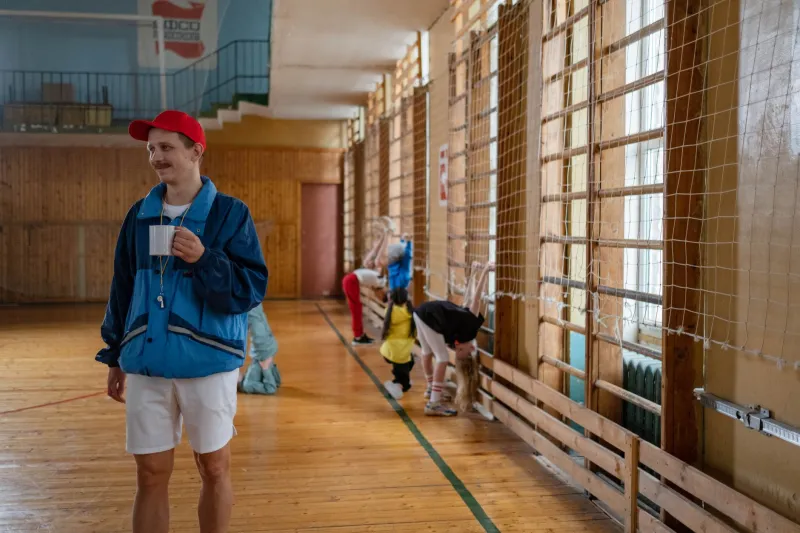
Every club has one. The child who arrives at the sports hall door, takes in the wall of noise — bouncing balls, shouting, the scrum at the bib box — and decides the safest place to be is right next to a parent, coat still on.
We tend to read that as shyness, or a phase that will pass. Often it is something more straightforward: a busy sports environment is genuinely overwhelming for some youngsters, and no amount of hearty encouragement will change it. What does change things is the environment itself. A few thoughtful adjustments to the session you already run can move a child from the doorway to the middle of the game — and, more often than not, make the whole club night calmer for everyone else too.
Predictability Does More Work Than Enthusiasm
Anxious players are often excellent at scanning for what might happen next. Give them something to find. A simple whiteboard at the door with the evening's shape — warm-up, skills, small-sided game, finish — takes thirty seconds to write and removes a hundred small uncertainties.
Keep the order the same each week where you can. Same warm-up game, same finishing huddle, same spot for water bottles. Novelty is lovely in small doses; as a default it is exhausting. If something is going to be different — a visiting coach, a fire drill, a change of hall because the caretaker needs the main space — say so at the start, in plain words, before it happens.
One coach we spoke to describes it as 'showing them the map before the journey'. It costs nothing and it works.
Lower the Volume, Gently
Sports halls echo. That is not a character flaw in the children, it is a fact about corrugated roofs and wooden floors. Walk into your own session five minutes early, stand where the quietest child stands, and listen. You will hear more than you expect.
Some practical dial-turns:
- Whistles. Keep them for matches and for genuine safety stops, but try replacing the training whistle with a raised hand and a projected voice. Children copy what they see; a silent signal spreads quickly once it is established.
- Equipment. Lighter balls bounce less aggressively and hurt less when they arrive unexpectedly. Foam and soft-touch balls are now standard in most primary settings and cost very little.
- Clutter. Bibs in named trays rather than a heap, cones stacked, bags against one wall. Visual noise is noise.
- Music. If you use it, keep it low and instrumental, and never during instructions.
- Doors. Closing a fire door between the hall and the corridor can halve the echo. Ask whoever holds the keys.
None of this softens the session. The passing still has to be crisp, the movement still has to be quick. Quiet and purposeful are not opposites.
The Calm Corner Is Not a Naughty Step
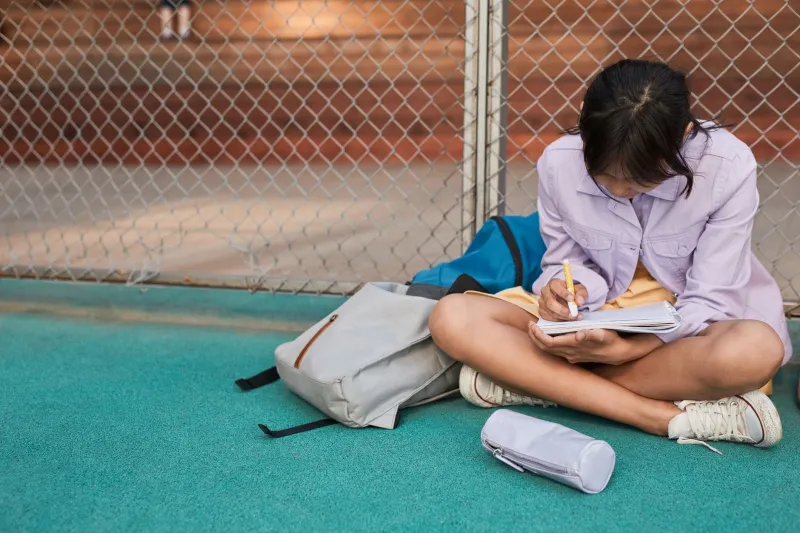
Somewhere at the side of the hall — a chair, a beanbag, a pair of ear defenders on a hook, a card a child can hold up if speaking feels like too much — gives a player somewhere to go before they reach breaking point.
Two rules make it work. First, nobody is sent there. It is chosen, not awarded. Second, no questions are asked on arrival. 'No problem, come back when you're ready' is the whole script. Position it so the child can still see the session; being able to watch is often the first step back in.
Rotate which adult checks in, and keep the check-in light — a nod, a thumbs up, a water bottle offered. A calm corner that becomes a quiet interrogation does more harm than good.
A Buddy Who Knows the Job
Pairing a new or anxious player with a calm, slightly older one is one of the cheapest interventions in youth sport. But buddies need a brief, or they turn into tour guides who talk non-stop.
The job is smaller than most teenagers expect: walk in together, point out where the water and the toilets are, sit nearby during the warm-up, and don't insist on conversation. That's it. Older buddies can log the hours towards volunteering or a Duke of Edinburgh award, and a shout-out in the parents' group chat goes a long way.
Why This Helps Everyone
Here's the part that surprises people: these tweaks rarely stay confined to the anxious player. Shorter queues, smaller groups, fewer children standing still waiting for a turn — that is just good coaching. Players coming straight from a full school day, children with hearing or attention needs, and the ones who are simply tired on a Thursday all benefit from a session that does not shout at them.
Anxious players also tend to notice when a club goes out of its way. Families talk. A reputation for being the club that handles the nervous ones well is worth more than most recruitment posters.
Two Things to Avoid
Don't build a 'special session' that singles anyone out. The aim is the ordinary night, made kinder. And don't ask a child to explain their feelings in front of the group — however well meant, it puts them on the spot and hands the room a label they didn't ask for.
Five Tweaks to Try This Week
- Write the session plan on a board by the door.
- Swap the training whistle for a raised hand.
- Put a chair and a pair of ear defenders at the side of the hall.
- Brief one older player as a buddy for a new starter.
- Cut one queue out of your drill — replace it with a small-sided game.
Then ask the parents, quietly, how the journey home felt. That is the feedback that matters, and it is usually more useful than anything a clipboard can tell you.