Everyone in the Frame: A Club Photo Policy That Keeps the Joy Visible
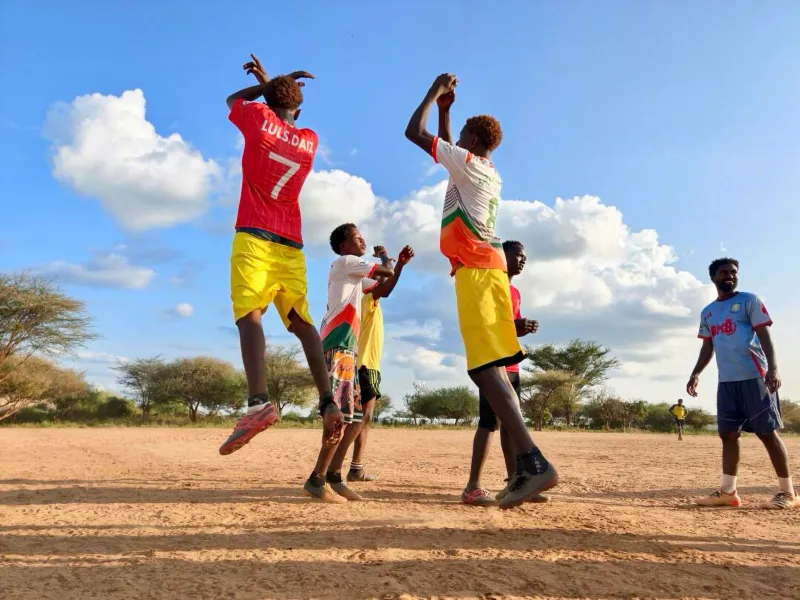
There is a brilliant photo in every club season. A first goal, a muddy knee slide, a relay team collapsing in giggles, a volunteer handing out oranges like they are medals. Those pictures matter. They tell the story of the club, help families feel part of it and give players something to look back on when the boots have long been hung up.
They also need care. A photo policy is not about putting a stop to the fun. It is about making sure the fun is shared in a way that works for everyone, including the family who would rather not see their child on a public feed. Get that right and the camera becomes a welcome part of club life rather than a worry at the gate.
The policy should fit on one side of A4
A photo policy does not need to be a legal epic. In fact, the shorter and clearer it is, the more likely people are to read it. Aim for one page with plain headings: who takes photos, where they are shared, how families can opt out and who to speak to if something feels wrong.
Put it where people already look. Link it in the welcome email, keep a copy by the signing-in sheet and add a line to the club newsletter at the start of each season. The club welfare officer or safeguarding lead should know it inside out, but every coach, team manager and social-media helper should at least know where to find it.
It also helps to say what the club will not do. No photos in changing rooms, toilets or first-aid areas. No close-ups of individual children without a quick check. No full names paired with images on public channels. Most families will nod at all of that. The point is to make the good habits obvious before anyone has to ask.
Consent that people can actually use
Consent buried on page nine of a registration form is consent nobody remembers giving. Keep it front and centre. When a family signs up, ask one clear question with simple choices: happy for photos on public club channels, happy for club-only use such as the newsletter or private group, or no photos or video please. Add a note that families can change their mind at any time.
A traffic-light register works well for volunteers. Green means the family is comfortable with public club posts. Amber means club use only. Red means no images, and the photographer should avoid including that child where possible. Keep the register with the team manager and the person who looks after social media. Review it at the start of each season and whenever a family gets in touch.
Do not forget the adults. Volunteers, coaches and officials deserve the same courtesy. A quick line on the volunteer form asking whether they are happy to appear in club photos saves a lot of awkwardness later.
When a family asks not to be photographed
The first response is simple: thank them. A family saying no is not being difficult. They may have safeguarding reasons, cultural or religious preferences, a look after a child who is anxious, or a perfectly ordinary wish for privacy. None of that needs explaining.
Ask what no means in practice. Would they prefer no public photos but are happy with a private team album? Are they comfortable with group shots from a distance? Would they rather their child was left out of the presentation photo altogether? Listen, write it down and pass it to the people who need to know. Never pressure a family to change their mind, and never make a child feel like the reason the camera has been put away.
If a photo has already gone up, take it down promptly and say sorry. A quick, calm response builds far more trust than a defensive one. If the child is old enough, ask them what they would prefer too. Their voice matters, and it is part of helping them feel in control of their own story.
Briefing the volunteers with the camera
Most club photographers are parents, carers or coaches with a phone and good intentions. Give them a short, friendly briefing rather than a lecture. A five-minute chat before the season starts is usually enough.
Keep it practical. Know the consent register. Introduce yourself before taking close-ups. Ask before filming. Stay out of changing areas and medical rooms. Do not post live from the touchline. Pass images to the club media lead rather than sharing them in half a dozen group chats. Keep captions free of full names, school details or anything that identifies a child without permission. If in doubt, leave it out.
Social-media helpers need the same message. A funny caption is lovely; a caption that names a child, their school and their Saturday morning routine is not. The club account should be a shop window for the club, not a personal album. If a volunteer is not sure whether a family is green, amber or red, the safest and kindest answer is to check first.
Matchday made simple
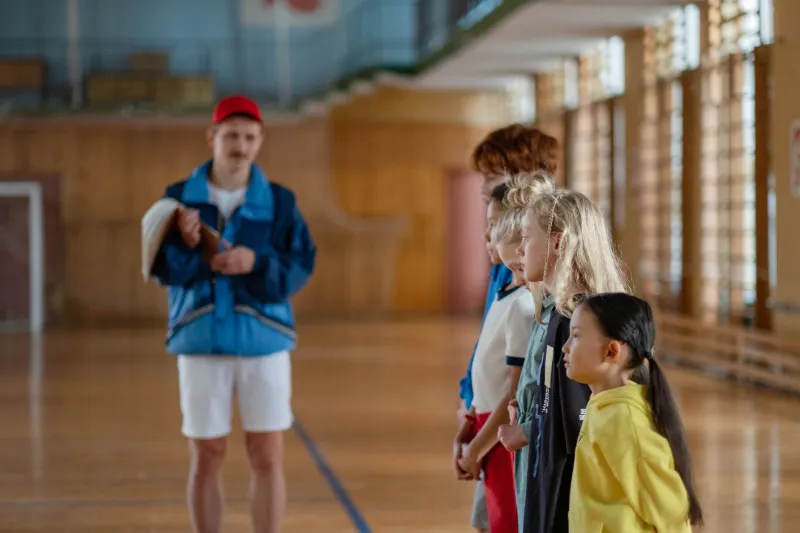
A little routine goes a long way. Nominate a photo lead for the day, even if it is just the team manager with a lanyard. At the pre-match huddle, mention that photos will be taken and that anyone who would rather not be included can have a quiet word. At presentations, say the same before the team shot. It takes twenty seconds and saves a hundred awkward moments.
When the team photo is taken, make it easy to step aside without a fuss. Frame the shot so a child who is not being photographed can stand to the side, or take a second version for the private album. Share images through a club account or agreed private album rather than a volunteer's personal phone. Print a few for the clubhouse noticeboard only after checking the register.
The bigger win
A good photo policy does not kill the joy. It protects it. It lets families say yes with confidence, gives volunteers a clear path and keeps the club's public face warm and welcoming. The best club albums are not the ones with the most pictures. They are the ones where everyone can look back and feel glad they were part of the day.