Packed With Care: The Club First-Aid Bag That Says You Belong Here

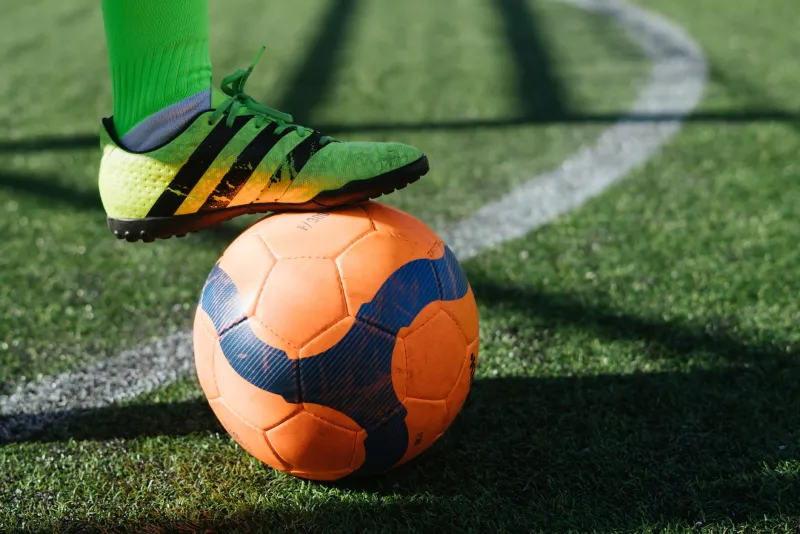
Photo: UK grassroots sports club first aid kit bag on bench with plasters and ice packs, via assets.traveltriangle.com
Every club has one: the bag. Usually navy, usually slightly damp, usually home to three loose plasters, a whistle and a roll of tape that has seen better days. It gets grabbed at the start of a session, slung by the dugout, and quietly hoped about.
That bag is doing more than patching scraped knees. It is one of the first things a new family notices. If a parent spots period products in there, or a card explaining where to find the defibrillator, they learn something about your club before a single ball is kicked. A well-thought-out kit says: we have considered you. That is a belonging signal, and it costs far less than a new kit sponsor.
Below is a practical way to build, store and check a bag that works for the players you actually have — not an imaginary squad of identikit athletes.
Start with the people, not the products
Before you buy anything, spend ten minutes with your registration forms and your coaches. What conditions are already known? Who carries an inhaler? Who has a food allergy? Who needs a cooling pack more often than most? Who is likely to start a period mid-session and feel awkward asking?
You do not need to collect a medical dossier. You need enough awareness to stock sensibly and to make sure the right people know the plan. Keep any personal health information limited, stored securely, shared only with those who genuinely need it, and reviewed each season. A named first-aider and a clear handover between school and club goes a long way.
The core kit: the bits nobody argues about
This is the baseline — the unglamorous stuff that handles most of what a typical session throws at you.
- Nitrile gloves, several pairs, in a sealed pouch
- Sterile dressings, adhesive plasters in mixed sizes, and a couple of larger wound pads
- Microporous tape and a small pair of blunt-nosed scissors
- Antiseptic wipes and saline pods for washing out eyes or grazes
- Triangular bandages and a conforming bandage or two
- Instant ice packs and at least one reusable cooling pack with a sleeve
- A foil blanket or two, especially for winter touchlines
- Burn gel, blister plasters and a few safety pins
- Clinical waste bag and a small bin liner
- A torch, spare batteries and a charged phone power bank
- A printed emergency action plan, laminated, with venue address, postcode and nearest defibrillator location
Check that your dressings are in date. Plasters go off. Tape goes sticky and useless. It happens to everyone; the fix is a routine, not a telling-off.
The wellbeing layer: the part that says 'we see you'
This is where a decent bag becomes a thoughtful one.
Period products. Stock a small, discreet tin with tampons and pads in a couple of absorbencies, plus a sealed bag for disposal. Put it somewhere a young person can reach without asking an adult in front of a crowd. Mention it at the start of the season so nobody has to whisper.
Asthma and allergy awareness. Personal inhalers and adrenaline auto-injectors should travel with the person who needs them, clearly named, not rattling loose in the communal bag. Your job is to know who carries what, where it is kept during sessions, and who is trained to help. Some clubs also keep a spare reliever inhaler under a written protocol agreed with a clinician — only do this with proper advice, not enthusiasm alone.
Allergy and condition cards. A simple card in the bag — no diagnoses, just practical steps — can save precious seconds. Something like: 'Two players in this group carry adrenaline auto-injectors. They are in the named pouches. If in doubt, call 999 and follow the plan.'
Cooling and hydration. Extra water, a few spare bottles, and cooling packs in a cool bag during warm months. Heat exhaustion is easier to prevent than to manage.
Mental-health signposting. A small laminated card with a local service, a national helpline and a named welfare contact costs almost nothing. It is not therapy and it does not pretend to be. It is a sign that asking for help is normal here.
Storage that survives a British winter
A kit bag left in a car boot through February will hand you frozen gel packs and brittle plastic. Store it indoors, somewhere dry and reachable, and have a smaller 'grab bag' for away fixtures. Label the outside clearly with the club name and a contact number — bags do go walkabout.
Keep personal medication separate from communal supplies, and make sure the bag is not doubling as a lost-property bin. One bag, one purpose.
The five-minute monthly check
Put a recurring reminder in the club calendar and give it to a named person. Empty the bag onto a table. Bin anything out of date, restock what is low, check the torch, check the phone numbers on the emergency plan, and confirm the defibrillator location is still correct. Write the date on a card inside the lid.
This is also the moment to revisit your registration information. New season, new players, new needs. A kit built in September may not fit the group you have in January.
Small bag, big message
Nobody joins a club because of the first-aid kit. But plenty of people quietly decide whether they feel welcome based on details like these. A stocked bag, a discreet tin of period products, a card that names where to get help — none of it is dramatic. All of it says the same thing: we planned for you.
Start with what you have, add one thing this month, and build from there. If your club has a kit-bag checklist worth borrowing, send it over — we would love to share it with the rest of the ESCSA community.