The Group Chat Is Not a Strategy: Communicating So Nobody Gets Left Behind
Photo: Jozef Geirnaert, Public domain, via Wikimedia Commons
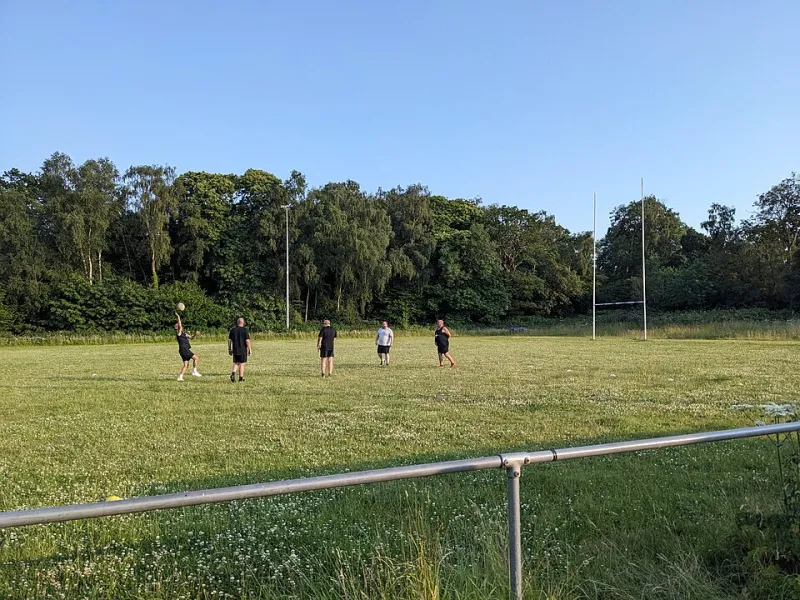
Picture the scene. It is 8:42 on a Saturday morning, the under-12s are due at the leisure centre for 9:15, and the club WhatsApp group has 63 unread messages. Fifty-nine are about a missing water bottle and a lively debate about whether the café does bacon rolls. The actual news — a pitch switch to the all-weather surface two miles away — is buried somewhere near the middle, posted at 7:10 by a coach who then went off to set up the goals.
The family who joined three weeks ago never saw it. They went to the old pitch. They were not being careless. They simply were not in the right place at the right time, because the right place was a chat thread moving faster than a breakaway attack.
A group chat is a room, not a system
Let us be honest: club WhatsApp groups are brilliant at some things. They are quick, familiar and free. They let a coach ask who has a spare pair of size 4 boots and get an answer before the warm-up. They build a bit of banter between parents who might otherwise only nod at each other across the touchline.
But a group chat is not a communications strategy. It is a room with no agenda, no minutes and no guarantee that anyone heard the fire alarm. The loudest voices set the tone. The fastest typists dominate. The people who check their phone once after work — or who are driving, caring, sleeping off a night shift or simply not on WhatsApp — are left piecing the week together from fragments.
Think about who quietly drops out of the loop. Split households where only one parent is in the group. Grandparents doing the school run. Families who have English as an additional language. New members who do not yet know that 'meet at the usual place' means the far pitch behind the pavilion. Young people who are not in the adult group at all. A chat thread is not inclusive just because everyone was once added to it.
There is a safeguarding and data protection side too. Group chats blur boundaries. If adults and children are in the same thread, or if parents are swapping images of other people's kids, you have a headache waiting to happen. Keep club groups to logistics, keep children out of adult-wide threads, never share images of young people without consent, and never use a group chat for one-to-one conversations between an adult and a child. That is not bureaucracy. It is basic care.
Four tiers that reach almost everyone
The good news is that you do not need a media department. You need a simple tiered plan with clear jobs for each channel.
Tier one: broadcast-only updates. Set up a WhatsApp Community announcement channel or a plain email list where only admins can post. No replies, no memes, no 'can someone bring a spare whistle?' Use it for deadlines, safety-critical changes and the things nobody is allowed to miss. Parents can mute it if they like; they cannot accidentally bury it under 60 messages about bacon rolls.
Tier two: a weekly digest. One email or newsletter, sent at the same time every week — Sunday at 6pm works well for many clubs. Keep the template identical each time: this week, need to know, thank yous. Link back to the noticeboard for detail. A predictable digest is a small kindness to every family trying to plan a week.
Tier three: a noticeboard for matchday changes. This can be a pinned page on the club website and a physical board in the clubhouse. It is the single source of truth. If a pitch moves, a kick-off time shifts or a fixture is postponed, the noticeboard is updated and timestamped. Coaches can still mention it in the group, but the group is not the record.
Tier four: personal calls for families who need extra support. Some families will not read a digest, cannot access the portal or are dealing with something difficult at home. A two-minute call from the team manager or welfare lead beats forty messages. It is also a chance to ask how they are, not just whether they can play. Personal contact is not a failure of the system; it is part of it.
Start this season with a 20-minute audit
You do not have to overhaul everything before the next fixture. Begin with a short, honest review.
List every family and ask which channel they actually use. Add a preferred-contact question to your sign-up form. Write one page of group rules and pin it: logistics only, no child protection matters, no images of young people without consent, think before you reply-all. Name a communications lead — a person, not a group — who owns the digest and the noticeboard. Publish a simple guide that says what goes where. Then review it at half-term, when the season is busy enough to show you what is working.
Communication is not the admin bit that happens after the real work. At a community club, it is how people know they belong. Get it right and the quiet families stay, the new families settle, and the coach can spend Saturday morning setting up goals instead of answering the same question sixty-three times.