Level Teams, Full Pitches: Fixture Formats That Give Every Youngster a Run-Out
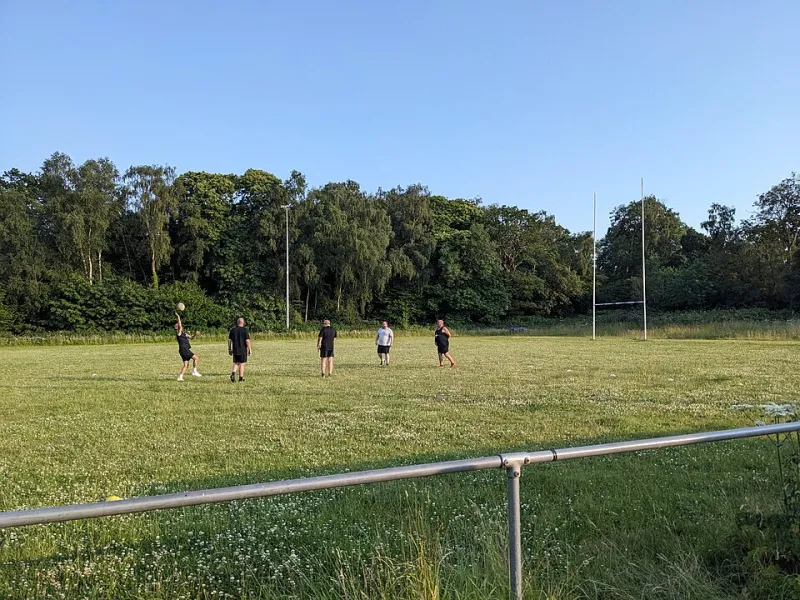
Photo: mixed ability children small sided football match school sports festival UK, via www.basvankaam.com
Start with the matchday problem, not the spreadsheet
Most fixture headaches begin with a simple question: who are our strongest players? That is a natural starting point. Coaches want to compete, and children enjoy winning. But when that question shapes the whole afternoon, the matchday can become an audition for the few and a waiting game for everyone else. In 2026, with squads stretching across year groups, experience levels and confidence, a single best-XI fixture is rarely the right container for a school or community club.
The aim of a mixed-ability matchday is not to pretend everyone is the same. It is to build a structure where the competitive edge remains, but more children have a genuine stake in it. That means thinking about formats, rotations and rules before the first whistle, not improvising on the touchline.
Three formats worth trialling this season
1. Rotating pods
Split the squad into four or six pods of mixed ability. Each pod plays small-sided games - 3v3 or 4v4 works well on a school court or half-pitch - in short blocks of eight to ten minutes. After each block, move one or two players between pods using a simple rotation card. Every pod plays the same number of games.
This format keeps waiting time low and gives quieter players more touches of the ball. It also makes it harder for one dominant player to decide every match. A pod league can run for an hour and still leave time for a whole-group game at the end.
2. Swiss-style festivals
In a Swiss-style festival, teams are paired by results after each round, so the team that lost heavily in round one is not automatically fed to the strongest side again in round two. Everyone plays the same number of matches, and the final standings are based on the whole festival rather than one lopsided scoreline.
Schools running Key Stage 2 or Year 7 festivals can use this with six to twelve teams and a central results board. It is competitive, but it protects children from repeated heavy defeats - and it gives improving teams a realistic chance to finish the day with a win.
3. Station matchdays
A station matchday swaps one long match for a circuit of short activities: a 4v4 game, a shooting or target challenge, a small-sided possession game and a role such as refereeing, scoring or timekeeping. Groups rotate every ten to twelve minutes.
This works particularly well when you have a large squad, mixed ages or children who are new to competitive sport. Everyone gets a game, everyone gets a role, and the adults get a chance to see children in different settings. It also takes pressure off the idea that the only valuable part of the day is the final score.
Rule tweaks that keep it competitive
Formats do a lot, but small rule changes can make a big difference. These are the ones clubs and schools are most likely to find useful in 2026.
- Equal-time target. Do not just say everyone will get on. Nominate a timekeeper and aim for each child to play at least half of the available match time. Publish the target to parents so it is part of the matchday culture.
- Rolling substitutions. Use rolling subs in short-sided games to keep the pace high and reduce the fear of making a mistake. A child who knows they will get another turn is more likely to try something.
- Rotate positions. Ask every player to try at least two positions across the festival. That includes goalkeeper, defender and attacker. It builds understanding and stops weaker players being parked in one corner of the pitch.
- Score in blocks. Instead of one final score, play four ten-minute blocks and reset the score after each block. The match still has a winner, but a bad first block does not kill the afternoon.
- Young leaders on the whistle. Train Year 9 or Year 10 students to referee short-sided games. It gives them responsibility and takes some of the adult heat out of the matchday.
What it looks like in practice
One community club in the South West runs a Sunday morning pod league for Years 5 to 7. Players arrive, warm up together, then move into mixed pods for six short games. Coaches do not pick a player of the match for the whole group; instead, each pod chooses a player who showed good teamwork. The final ten minutes are a whole-group game with rolling subs. The club reports that more children are returning after their first season, and parents have stopped asking why their child was on the bench for the whole second half.
A primary school in the Midlands uses a station matchday for its Year 4 and Year 5 house competition. Every child plays in at least three of the four stations, and the house points include a fair-play point for helping a teammate. The school says the biggest change is not the scoreboard - it is the number of children who put their hand up to referee.
The organisation bit
A mixed-ability matchday still needs the basics: a risk assessment, first aid, safeguarding cover, appropriate pitch sizes and a clear plan for toilets and water. Keep the rules simple enough for a child to explain them back to you. If a format needs a spreadsheet and three adults to run, it is probably too complicated for a Sunday morning.
Keep the competitive edge
Inclusion does not mean removing the contest. Children notice when adults pretend a game does not matter. The better approach is to keep the score, celebrate effort and make the structure fair. A mixed-ability matchday works when the fastest player still gets a challenge, the newest player still gets a touch, and the final whistle leaves most children wanting another go.
At ESCSA, we would like to hear from member schools and clubs trying new formats in 2026. Send us your rotation cards, your rule tweaks and your best station ideas - and tell us what the children said afterwards.