Sideline Culture Starts With Us: The Touchline Code That Backs Every Player

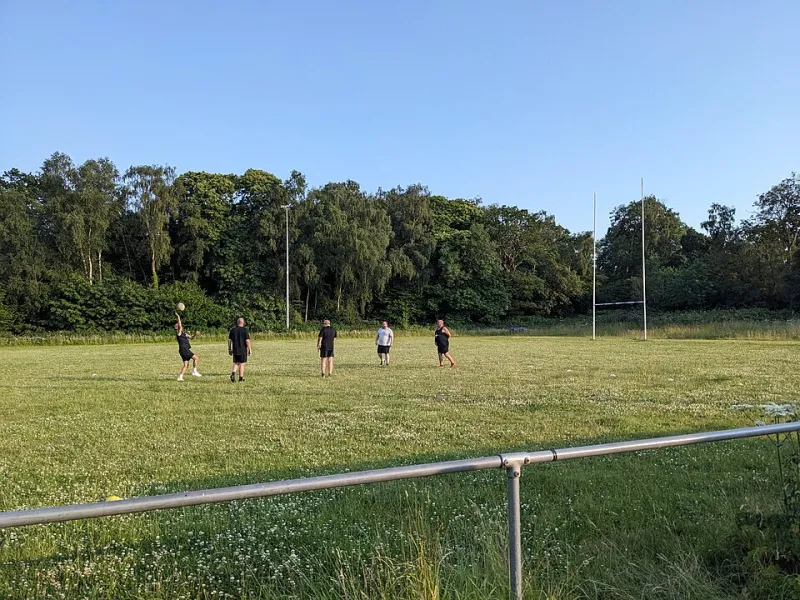
Photo: Fachab, CC BY-SA 4.0, via Wikimedia Commons
The touchline is not a courtroom
Stand on any grassroots touchline for twenty minutes and you will hear the whole range of adult emotion. There is pride, nerves, the occasional bit of tactical genius, and then there is the comment that makes a child shrink. Not a swear word, necessarily. Something smaller. A groan when a pass goes astray. A loud 'what are you doing?' A laugh from the parents behind the goal.
Those moments are not just bad manners. They are culture. They tell children who belongs, who is trusted and who is allowed to make a mistake. That is why a no-shame policy belongs in club resources, not tucked away in a safeguarding folder that nobody opens until something goes wrong.
Why 'no-shame' is not 'no-standards'
Let us be clear: a no-shame touchline is not a quiet touchline. It is not a place where nobody cares. It is a place where standards are high and personal criticism is low. We still want children to compete, to listen, to try again and to respect the referee. We simply do not want shame to be the teaching method.
Shame is sneaky. It can arrive through sarcasm, eye-rolling, a loud sigh or a comment aimed at another parent. It can also arrive through coaching: the child who is publicly told they cost the team, or the player who is left on the bench as a lesson. A no-shame policy has to cover the whole adult culture around the game, not just the loudest voice on the halfway line.
A touchline code parents can actually remember
Most codes of conduct are too long to read and too vague to use. A useful touchline code for 2026 should fit on a sign, a website page and a parent's phone lock screen. Here is a version ESCSA member clubs could adapt.
- Encourage the shirt, not just the score. Cheer effort, bravery, teamwork and recovery. The scoreboard will look after itself.
- One coaching voice. Let the coach coach. Parents and carers can encourage, but they should not shout technical instructions through the fence.
- Praise the attempt. A child who tries something and loses the ball has still been brave. Say so.
- Give ten seconds. After a mistake, let the child recover before offering advice. Often they do not need your advice at all.
- Respect the young official. Many school and community fixtures rely on teenage referees. They will make mistakes. Adults should model how to disagree without humiliation.
- No personal criticism. No 'you are useless', no laughing at a missed tackle, no comments about a child's size, speed or confidence.
- Cheer both teams. A good save from the opposition deserves recognition. It teaches children that sport is a shared event, not a family feud.
- Ask before filming. Photos and videos can be brilliant, but they can also embarrass. Check with the coach and the club's safeguarding policy.
Make it operational, not laminated
A code only works if clubs do something with it. At sign-on, ask parents and carers to read the touchline code and confirm they understand it. At the pre-season meeting, read two or three lines aloud and explain why they matter. Put the code on the website, in the matchday programme and on a sign by the pitch.
Appoint a touchline champion for each age group - not a bouncer, but a friendly adult who welcomes new parents and models the tone. Give coaches a short script for the first matchday: 'We encourage loudly, we coach quietly, and we never shame a child.' It sounds simple because it is. The difficulty is doing it when the game is tight and the referee has just missed a clear foul.
Coaches need to model it too
It is easy to point at parents. But coaches can shame children through team selection, public criticism or a sarcastic comment that lands harder than intended. A no-shame club asks coaches to give feedback privately, rotate players fairly and avoid using the bench as a punishment. It also asks coaches to protect young leaders who are learning to referee or coach.
At ESCSA, we think the best clubs will make this visible. They will talk about touchline behaviour in the same breath as safeguarding, first aid and fixture planning. They will treat the sideline as part of the team, not a separate audience.
What to do when it slips
It will slip. Adults are human, and sport is emotional. The test is what happens next. A quiet word from the touchline champion is usually better than a public confrontation. Try: 'I know you care about the team - could we keep the coaching to the coach and cheer the effort?' If the behaviour continues, involve the club welfare officer and follow the club's behaviour policy.
The aim is not to embarrass the parent. Shame is the thing we are trying to remove, not a tool we use on adults. But children need to see that the club takes their safety and confidence seriously.
The test for 2026
Here is a simple question for every club and school this season: can a child make a mistake on your pitch and still feel safe? If the answer is yes, the touchline code is working. If the answer is 'it depends who is watching', there is work to do.
A no-shame policy is not soft. It is a competitive advantage. Children who feel safe are more likely to try, stay and come back next season. And that is the kind of culture every touchline should be known for.